What Does a D2C Ecommerce Agency Actually Do? Here’s Everything You Need to Know
The Future of Retail: Exactly How D2C Ecommerce Services Can Change Your Company
The retail landscape is evolving, driven by the surge of direct-to-consumer (D2C) ecommerce services. Brand names are increasingly seeking means to attach with customers on an individual level while streamlining their operations. This shift not just improves profit margins but likewise changes the shopping experience noticeably. As organizations adapt to these changes, the effects for brand name loyalty and customer involvement end up being crucial. What approaches will specify success in this brand-new period?
Recognizing the D2C Ecommerce Model
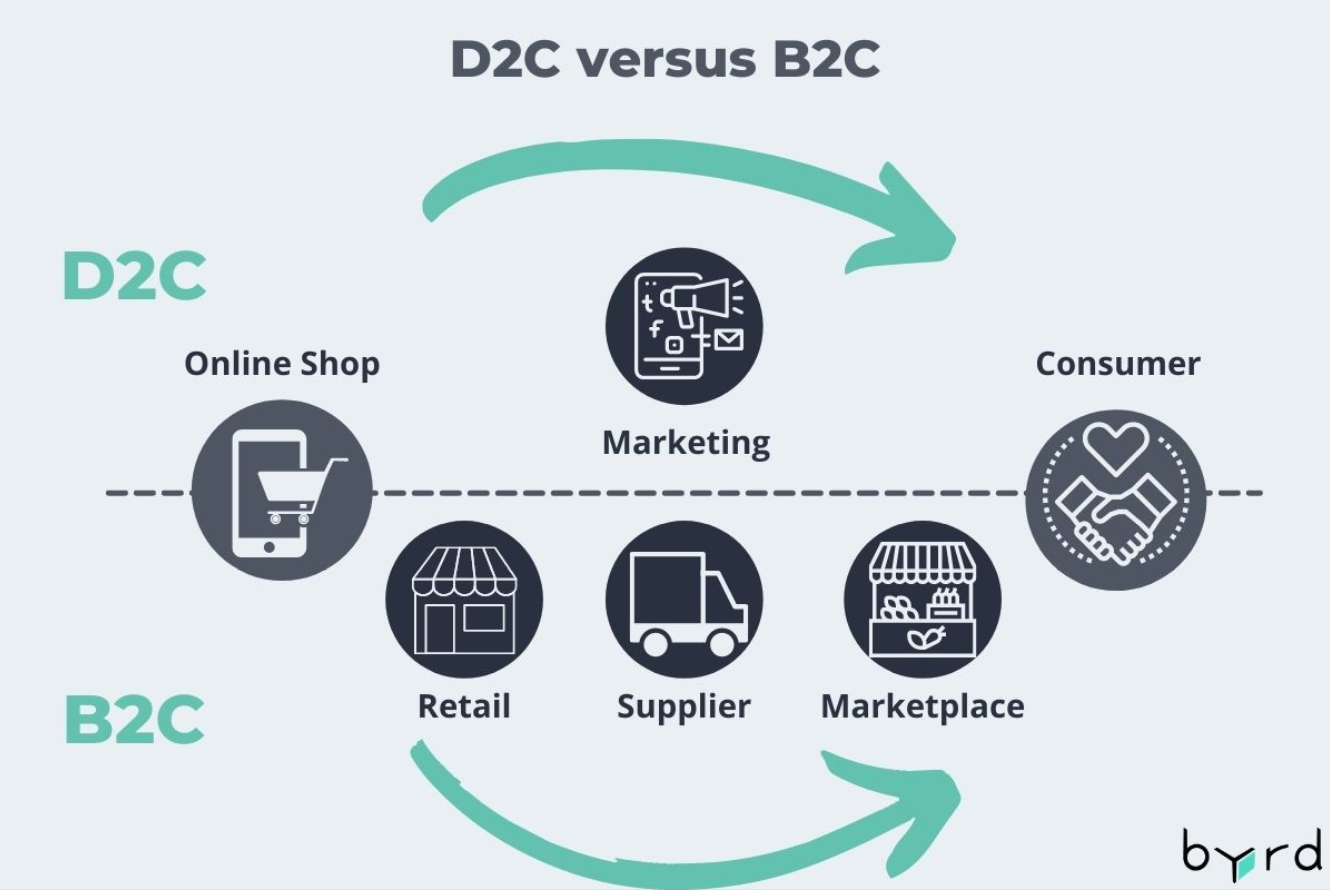
As customers significantly seek customized shopping experiences, the Direct-to-Consumer (D2C) ecommerce version has become a transformative technique in retail. This model enables brands to sell straight to their customers, bypassing traditional intermediaries like merchants and wholesalers. By developing a direct connection with customers, firms can obtain deeper insights right into client choices and behaviors.D2C ecommerce leverages digital platforms, allowing brands to regulate their delivery, marketing, and pricing procedures. This method fosters dexterity, permitting businesses to adapt quickly to market trends and customer comments. Importantly, D2C versions usually use information analytics to boost product offerings and consumer engagement strategies.In an increasingly affordable landscape, the D2C design encourages organizations to cultivate brand name commitment and create customized experiences that resonate with their target market. In this method, comprehending the ins and outs of D2C ecommerce is important for brand names aiming to flourish in the modern-day retail environment.
Advantages of Direct-to-Consumer Methods
While numerous organizations grapple with the intricacies of conventional retail, the Direct-to-Consumer (D2C) approach supplies unique benefits that can significantly enhance brand efficiency. By removing intermediaries, brands maintain higher control over their prices, product discussion, and general consumer experience. This direct partnership promotes brand name commitment, as customers really feel a lot more attached to the brand name and its values.Additionally, D2C approaches usually cause greater profit margins, considering that companies can retain the whole list price instead than sharing it with representatives or merchants. D2C versions additionally permit brand names to respond rapidly to market patterns and consumer choices, assisting in even more dexterous supply administration and item growth. Services can develop tailored advertising and marketing projects that resonate with their audience, eventually driving greater conversion rates. In this developing retail landscape, D2C techniques provide a chance for brands to separate themselves and attain sustainable growth.
Leveraging Data Analytics for Consumer Insights

Recognizing Customer Behavior Patterns
Just how can businesses successfully translate the intricacies of consumer actions in a quickly developing electronic landscape? By using data analytics, firms can acquire beneficial insights right into their consumers' choices, routines, and inspirations. Examining searching patterns, acquisition history, and responses permits brands to identify patterns and segment their target market successfully. This understanding not only boosts item offerings however also personalizes advertising strategies, promoting more powerful consumer relationships. In addition, services can keep track of social networks communications and on-line testimonials to assess sentiment and adapt to transforming consumer assumptions. This way, data-driven methods empower brands to anticipate demands and refine their strategies, inevitably bring about boosted client fulfillment and commitment in the affordable D2C ecommerce environment.
Predictive Analytics for Trends
As companies endeavor to continue to be affordable in the D2C ecommerce landscape, leveraging predictive analytics becomes important for determining emerging fads and consumer preferences. By analyzing historical information, companies can forecast future purchasing behaviors, allowing them to tailor their offerings properly. Predictive analytics enables retailers to sector their target market based upon acquiring patterns, making sure targeted advertising and marketing approaches that resonate with distinctive customer groups. In addition, these understandings promote inventory management, decreasing overstock and reducing stockouts. As new patterns arise, services can swiftly adapt their product lines, boosting client fulfillment and commitment. Eventually, the integration of predictive analytics equips D2C brand names to make data-driven decisions, cultivating development and growth in an increasingly vibrant market.
Enhancing Customer Involvement With Personalization
While numerous brand names recognize the value of client involvement, customization arises as an important method to promote much deeper links with consumers (D2C Ecommerce Agency). By leveraging data analytics, brands can customize experiences to private preferences, developing a more relevant buying trip. Personalized referrals, targeted promotions, and tailored content substantially improve the client experience, making consumers really feel valued and understood.Moreover, employing various communication networks permits brands to involve consumers in manner ins which reverberate with them. For circumstances, customized e-mails, social networks communications, and tailored web site experiences can drive commitment and repeat acquisitions. This technique not only boosts client satisfaction but also urges brand name advocacy, as pleased customers are more probable to share their favorable experiences with others.Ultimately, personalization is not just a fad however a basic component of successful D2C ecommerce approaches, enabling brand names to develop lasting partnerships and elevate their market visibility
Enhancing Supply Chain and Operations
Structure Brand Name Commitment in an Open Market
Individualized Buying Experience
The modern consumer landscape is characterized by an overwhelming selection of items and brand names, making it vital for companies to distinguish themselves via customized buying experiences. By leveraging data analytics and consumer understandings, brands can customize their offerings to specific preferences, consequently boosting consumer fulfillment. Individualized referrals, targeted promos, and tailored communication can promote a sense of link, making consumers feel valued. This method not just improves prompt sales however also grows long-lasting brand commitment. Furthermore, D2C ecommerce services allow brands to collect real-time responses and adapt their methods accordingly, ensuring importance in a dynamic market. Eventually, a customized purchasing experience can change informal purchasers right into committed advocates, solidifying a brand's position in a competitive landscape.
Engaging Brand Narration
Engaging brand narration works as a powerful device for businesses venturing to develop loyalty in an open market. By weaving stories that resonate with consumers, brand names can create psychological links that expand beyond transactions. Involving stories highlight a brand name's worths, mission, and unique marketing recommendations, enabling consumers to relate to the brand name on a personal level. D2C Ecommerce Agency. This link cultivates count on and encourages repeat acquisitions, as consumers really feel lined up with a brand name's principles. Furthermore, efficient storytelling can distinguish a brand name from its competitors, making it more unforgettable in a crowded a knockout post marketplace. As consumers increasingly seek credibility and definition in their choices, brand names that spend in appealing narration are likely to cultivate enduring relationships and enhance consumer commitment
Future Patterns in D2C Ecommerce Services
As consumer preferences advance, D2C ecommerce solutions are positioned to undertake substantial improvements in the coming years. Improved personalization will become an essential fad, with brand names leveraging AI and data analytics to tailor purchasing experiences to private consumers. Additionally, sustainability will come to be a focal point, as customers increasingly seek eco-friendly items and clear supply chains, triggering brands to take on greener practices.Omnichannel approaches will certainly also acquire grip, integrating on the internet systems with physical touchpoints to produce seamless customer journeys. Mobile commerce will certainly proceed to broaden, driven by developments in modern technology and changing purchasing habits, making it essential for brand names to maximize their mobile interfaces. In addition, social commerce is readied to rise, with systems helping with straight purchases look at this web-site through social media, boosting brand name communication. Eventually, these patterns indicate a shift towards more agile, consumer-centric methods in D2C ecommerce, enabling brand names to stay competitive in a swiftly transforming landscape.
Regularly Asked Concerns
What First Investments Are Required for Starting a D2C Ecommerce Company?
Starting a D2C ecommerce company calls for preliminary financial investments in internet site growth, inventory, electronic advertising, and logistics. In addition, funds for branding, customer care, and payment handling systems are important to establish a successful online existence.
How Can Small Businesses Take On Established D2C Brands?
Small companies can complete with established D2C brands by focusing on specific niche markets, leveraging customized client experiences, using social networks for interaction, and implementing active techniques that adjust to consumer responses and industry fads.
What Are Typical Obstacles Encountered by D2C Ecommerce Startups?
Usual challenges faced by D2C ecommerce start-ups include minimal brand acknowledgment, high customer procurement prices, supply chain management concerns, competitors from developed gamers, and the need for efficient digital marketing methods to drive web traffic and conversions. - D2C Ecommerce Agency
Just how Do Returns and Reimbursements Operate in D2C Ecommerce?
In D2C ecommerce, reimbursements and returns usually involve consumers launching the process via the web site. Plans vary by company, but the majority of offer clear directions, timeframes, and problems for returning products, making certain client complete satisfaction and loyalty.
Are There Lawful Considerations for D2C Ecommerce Services?
Lawful factors to consider for D2C ecommerce companies consist of compliance with consumer protection laws, data personal privacy regulations, and intellectual building rights. Business must likewise resolve tax and shipping laws to assure legal operations in their particular markets. Notably, D2C designs commonly make use of information analytics to improve item offerings and client interaction strategies.In a progressively competitive landscape, the D2C model encourages services to grow brand commitment and develop tailored experiences that reverberate with their target audience. While several companies grapple with the complexities of traditional retail, the Direct-to-Consumer (D2C) strategy supplies unique benefits that can significantly boost brand performance. D2C models additionally allow brand names to respond promptly to market patterns and customer choices, helping with more agile supply management and item advancement. In addition, D2C ecommerce solutions enable brands to gather real-time comments and adjust their techniques appropriately, making certain significance in a dynamic market. Involving tales highlight a brand's values, goal, and special selling propositions, allowing customers to identify with the brand name on a personal level.